
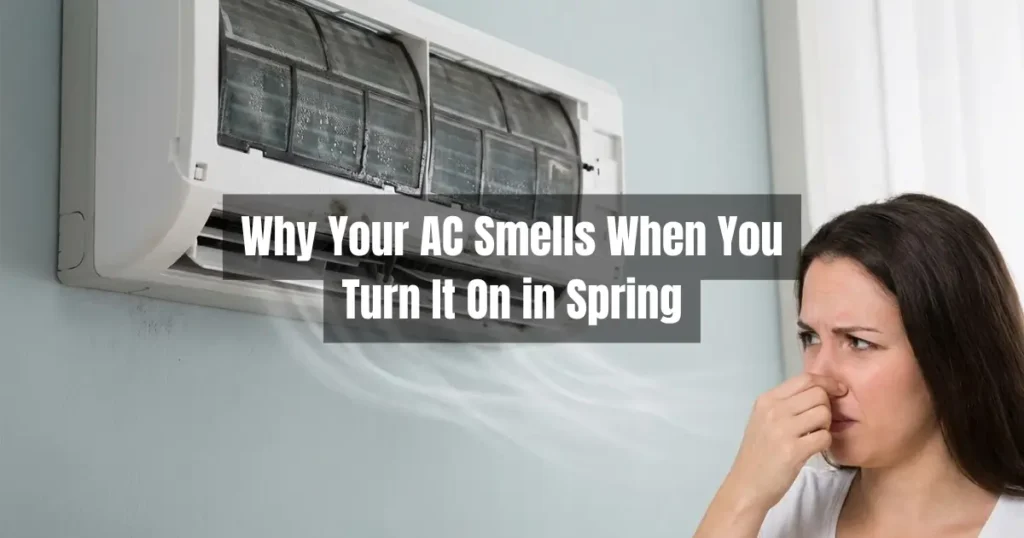
As spring arrives and temperatures rise, many homeowners in Dobbin and Montgomery area are surprised by unpleasant odors coming from their air conditioner. If you’ve noticed strange smells when cooling season begins, you’re not alone. Understanding why your AC smells when you turn it on in spring can help you determine whether the issue is harmless or a sign of a more serious indoor air quality problem.
Some odors are common after months of inactivity, while others may indicate health or safety concerns that shouldn’t be ignored.
1. Musty or Moldy Smells: Moisture Buildup
A musty smell is one of the most common springtime AC complaints. During winter, moisture can accumulate inside ductwork, coils, or drain pans, creating an environment where mold or mildew can grow.
What it means:
- Possible mold growth on evaporator coils or in ducts
- Excess humidity trapped in the system
Why it matters: Mold spores can circulate through your home, affecting indoor air quality and triggering allergies or respiratory irritation.
2. Dirty Sock or Gym Smell: Bacteria on Coils
If your AC smells like dirty socks when it first turns on, bacteria buildup on the evaporator coil is often the cause. Dust combined with moisture creates a breeding ground for odor-causing microbes.
This odor usually indicates:
- Inadequate airflow
- Dirty coils
- Missed HVAC maintenance
While not always dangerous, it signals declining air quality and reduced system efficiency.
3. Burning Smell: Electrical or Mechanical Issues
A burning or metallic odor is not normal and should never be ignored.
Possible causes include:
- Dust burning off electrical components (brief and mild)
- Overheating motor or wiring
- Failing capacitor or insulation
When it’s dangerous:
If the smell persists or becomes stronger, turn off the system immediately and seek professional inspection to prevent fire risk.
4. Rotten Egg or Sulfur Smell: Potential Gas Leak
Although AC systems themselves don’t use gas, shared HVAC components or nearby gas appliances can create a sulfur-like odor.
This smell is dangerous.
If you detect it:
- Turn off the system
- Leave the home
- Contact emergency services or your gas provider
Do not attempt to diagnose this issue yourself.
5. Chemical or Sweet Smell: Refrigerant Concerns
A sweet or chemical odor may indicate a refrigerant leak.
Why this matters:
- Refrigerant exposure can cause headaches or dizziness
- Leaks reduce cooling performance
- Continued operation can damage the system
Refrigerant issues require licensed HVAC professionals for safe handling and repair.
6. Dead Animal Smell: Ductwork Contamination
Unfortunately, rodents or pests sometimes enter ductwork during colder months. When cooling season starts, unpleasant odors are pushed through the vents.
This affects:
- Indoor air quality
- System hygiene
- Household comfort
Professional duct inspection and cleaning may be necessary.
Why Choose Omni Air for Indoor Air Quality Solutions
When unusual AC odors affect your home, Omni Air & Heating LLC provides comprehensive indoor air quality solutions backed by HVAC expertise.
✔ Whole-Home IAQ Evaluations
We identify odor sources, airflow issues, and contamination affecting your indoor environment.
✔ Advanced IAQ Solutions
From filtration and humidity control to duct inspections, we help improve the air you breathe.
✔ Preventive HVAC Maintenance
Routine maintenance reduces odor-causing buildup and keeps systems clean and efficient.
✔ Safety-First Approach
We prioritize identifying dangerous conditions like electrical issues, mold growth, or gas-related concerns.
Cleaner air starts with understanding what your HVAC system is circulating and addressing it correctly.
Frequently Asked Questions
1. Why does my AC smell bad when I turn it on in spring?
Common causes include moisture buildup, mold growth, dirty coils, electrical issues, or contaminants in ductwork after winter inactivity.
2. Is a musty AC smell dangerous?
It can be. Musty odors may indicate mold or mildew, which can negatively affect indoor air quality and respiratory health.
3. Should I turn off my AC if it smells?
Yes, especially if the smell is burning, chemical, or sulfur-like. Turning off the system can help prevent safety risks until it’s inspected.
4. Can HVAC maintenance prevent AC odors?
Yes. Regular maintenance helps remove buildup, prevent moisture issues, and catch problems early.
5. When should I call a professional about AC smells?
If odors persist, worsen, or cause discomfort, professional inspection is recommended to protect air quality and system safety.
Final Thoughts
Understanding why your AC smells when you turn it on in spring helps homeowners recognize the difference between normal seasonal odors and serious HVAC issues. While some smells fade quickly, others can signal air quality problems or safety concerns that shouldn’t be ignored.
Early inspection and proper maintenance can protect both your comfort and the air you breathe as spring temperatures rise. Contact your HVAC maintenance professional near you.
Recent Articles:
- AC Blowing Warm Air in Spring? What Texas Homeowners Should Check First
- Why Your AC Isn’t Cooling After Winter in Texas (Top Causes & Fixes)

Joseph Miller is the owner and lead Heating & Air Conditioning Specialist at Omni Air & Heating LLC, proudly serving Montgomery, Texas and surrounding communities since 2020. Joseph brings hands-on experience diagnosing, repairing, and installing residential and light commercial heating and cooling systems. His expertise includes air conditioning systems, heat pumps, furnace repair, system replacements, ductless mini splits, and indoor air quality solutions designed for the unique climate conditions of Southeast Texas.
0 Comments